A Zoho One alternative is what many small professional and service businesses start searching for once they realize a giant bundle of apps is not the same as a connected business system. Zoho One ships with dozens of applications, but most small teams only use a handful of them. As a result, owners end up paying for software sprawl all over again, just under one brand name instead of several.
This guide explains what a Zoho One alternative actually needs to do well, walks through the switching process step by step, and looks at where Atlas fits for small and mid-sized service businesses. It also points to a few other tools worth comparing, since the right choice depends heavily on team size and workflow.

Small teams often start comparing a Zoho One alternative after realizing how much of a bundled suite goes unused.
What Is a Zoho One Alternative?
A Zoho One alternative is any platform that replaces Zoho's bundled app suite with a different, usually smaller, set of connected tools covering CRM, files, calendar, and communication. In short, it is software chosen specifically because it fits a team's actual needs instead of forcing them into a one-size-fits-all package.
Zoho One includes more than 40 applications under one subscription, which sounds appealing on paper. However, most small businesses only use three or four of them consistently. Consequently, the rest of the bundle becomes dead weight that still factors into the per-employee price.
Why Small Businesses Search for a Zoho One Replacement
Tool sprawl is quietly expensive, and it is not limited to businesses that avoid big suites. In fact, bundled platforms can create their own version of the same problem when teams only use a slice of what they are paying for. Staff still copy data between the apps they actually use, and the rest of the suite sits unused but billed.
According to Okta's Businesses at Work report, the average organization now runs dozens of separate software applications, a figure that has climbed sharply over the past decade. Furthermore, small businesses without a dedicated IT department absorb this complexity directly, usually in the form of an owner who ends up configuring software between client meetings.
In contrast, a smaller set of genuinely integrated tools tends to reduce both cost and training time. Specifically, teams that switch to fewer, better-connected apps report spending less time re-entering client information across systems.
Key Features to Look for in a Zoho One Alternative
Not every bundled platform solves the underlying problem. Therefore, it helps to evaluate any Zoho One alternative against a short list of practical requirements rather than a feature count.
| Requirement | Why It Matters |
|---|---|
| Single sign-on | One login reduces password resets and support tickets. |
| Native data linking | Calendar, CRM, and files should reference each other automatically. |
| Real file storage | Avoids conflicted copies common with sync-folder tools. |
| Simple onboarding | Teams without IT staff need tools that work without a consultant. |
These same principles apply whether a team is comparing a simpler alternative to Salesforce for small teams or evaluating a bundled suite like Zoho One. Above all, the tools should reduce manual work, not just relocate it under a new login.
How Atlas Works as an Alternative to Zoho One
Atlas, built by Hyperion Works, takes a narrower approach than Zoho One on purpose. Instead of dozens of loosely related apps, it currently offers CRM, file storage, and calendar under a single identity layer called Atlas IAM. As a result, a calendar event can link directly to a CRM record, and a file from Atlas File Storage can attach to that same event without manual uploading.
Atlas File Storage, known as AtlasFS, also solves a problem common to Dropbox-style sync tools. It mounts as a real network drive using the standard SMB protocol on Windows, macOS, and Linux, so files open and save directly on the server instead of syncing copies to every device. Consequently, teams avoid the "conflicted copy" files that plague traditional sync folders. Businesses comparing storage options specifically can read more in this review of the best Dropbox alternative for business teams.
Phones, SMS, email, AI document management, and a full office suite are planned additions. Each one is designed to connect to existing CRM and file data from day one, rather than being bolted on afterward the way many suites, including Zoho One, grew over time.
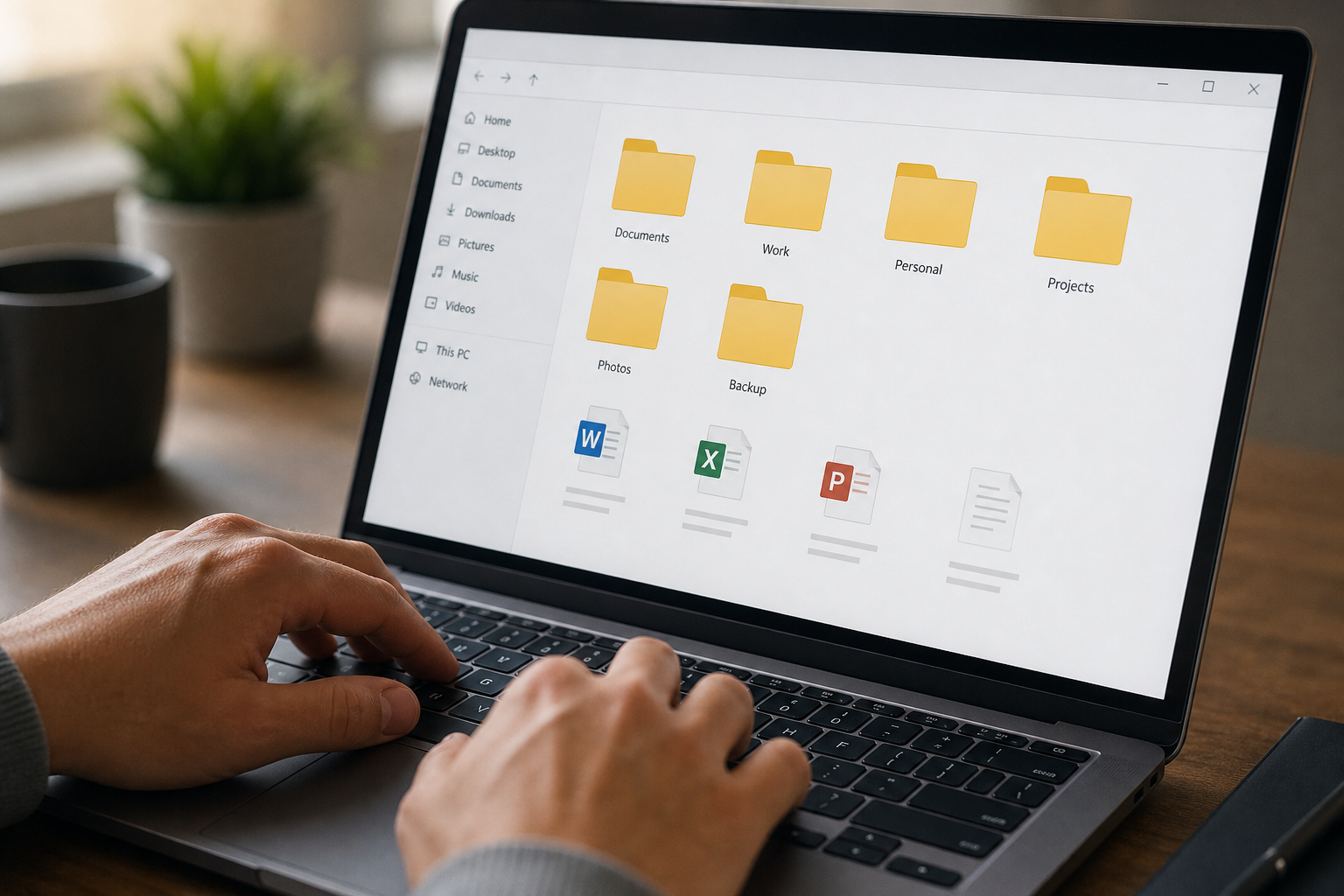
Real cloud file storage, rather than sync folders, is one reason teams evaluate a Zoho One alternative.
Step-by-Step: How to Switch From Zoho One
Migrating away from a bundled suite feels daunting, but breaking it into stages keeps the process manageable. The following steps apply whether a team is moving to Atlas or another platform entirely.
- Audit current Zoho One usage by listing every app your team actually uses day to day, then note which ones sit idle, so you know exactly what the replacement platform needs to cover.
- Export contacts, deal records, and files from Zoho in standard formats like CSV and common document types before changing any settings, so nothing is lost mid-migration.
- Set up user accounts, folders, and CRM pipelines in the new system before importing anything, so data lands in the correct structure the first time around.
- Import and verify data in small batches, checking each batch against the original Zoho records for missing fields or broken links between contacts and files.
- Train staff on daily tasks in the new system, then cancel Zoho One only after the team has worked through a full billing cycle without major issues.
Other Zoho One Alternatives Worth Considering
Atlas is not the only option, and it will not fit every business. Some teams only need to replace one piece of Zoho One rather than the whole stack. For example, a firm happy with its CRM but frustrated by file sync issues might look specifically at options covered in this guide on how to replace Microsoft 365 or Google Workspace.
Similarly, firms focused mainly on client management rather than file storage may prefer to start with a narrower review, such as this breakdown of a good alternative to Zoho One for a small law firm. Meanwhile, teams leaning toward Google's ecosystem but wanting better integration can compare notes in this piece on a Google Workspace alternative for small business. Whichever route a business takes, the goal remains the same: fewer disconnected tools and less manual data entry.
Frequently Asked Questions
What is a Zoho One alternative?
A Zoho One alternative is any platform that replaces Zoho's bundled suite of apps with a different set of connected business tools, such as CRM, file storage, and calendar. Businesses look for one when they need simpler setup, tighter integration, or better fit for their size.
Why do small businesses switch away from Zoho One?
Many switch because Zoho One bundles dozens of apps that require configuration most small teams do not have time for. Others simply want fewer, more tightly integrated tools instead of a large catalog that goes mostly unused.
How does Atlas compare to Zoho One?
Atlas focuses on a smaller set of deeply integrated tools, CRM, file storage, and calendar today, under one login called Atlas IAM. Instead of dozens of loosely connected apps, Atlas links records automatically so a calendar event, a client, and a file all stay connected.
Is there a free Zoho One alternative?
Several free or freemium tools exist, but most only replace one piece of Zoho One, such as a standalone CRM or a file-sharing app. For a full replacement with integrated billing and support, paid platforms generally offer a more complete and reliable solution.
How much does Zoho One cost compared to alternatives?
Zoho One is priced per employee across the entire organization, which can push costs up for teams that only need a few of the included apps. Alternatives that bundle fewer, more targeted tools often work out cheaper for small teams that do not need the entire Zoho catalog.
How long does it take to migrate from Zoho One?
A straightforward migration covering CRM records, files, and calendars usually takes one to three weeks for a small team. Timelines stretch longer when custom workflows, integrations, or large file libraries need to be rebuilt in the new system.
What features should a Zoho One alternative include?
Look for shared CRM and calendar data, real file storage instead of sync folders, a single login across apps, and a support team you can actually reach. Above all, the tools should talk to each other automatically rather than requiring manual data entry.
Can a Zoho One alternative integrate CRM and file storage?
Yes, several platforms, including Atlas, are built so CRM records and files share the same underlying system. This means a file attached to a client record stays linked automatically instead of living in a separate, disconnected folder.
What are common mistakes when switching from Zoho One?
The most common mistake is migrating data without first cleaning up duplicate or outdated records, which carries old problems into the new system. Another frequent error is skipping staff training, which slows adoption even on simpler platforms.
Is Atlas a good Zoho One alternative for law firms?
Atlas works well for small law firms that need client records, documents, and scheduling in one place without a dedicated IT administrator. Service-based businesses with similar needs, such as accounting or consulting firms, tend to see the same benefits.
Does a Zoho One alternative require an IT department?
Not necessarily. Platforms built for small businesses, including Atlas, are designed so a non-technical owner or office manager can set up and manage the system without a Salesforce administrator or Microsoft 365 specialist on staff.
What is the best Zoho One alternative for small teams?
The best fit depends on team size and priorities, but platforms that combine CRM, files, and calendar under one login tend to suit teams of one to fifty people best. Atlas was built specifically for this range, with more tools rolling out over time.
How does Atlas handle file storage differently than Zoho?
Atlas File Storage mounts as a real network drive using the standard SMB protocol, so files are opened and saved directly on the server instead of syncing copies to every device. This avoids the conflicted-copy problems common with sync-based storage.
Will more features be added to a Zoho One alternative like Atlas over time?
Yes, in Atlas's case, phones, SMS, email, AI document management, and a full office suite are planned additions. Each new app is designed to connect to existing CRM, file, and calendar data rather than operating as a separate silo.
How do I know if my business needs a Zoho One alternative?
If your team struggles with duplicate client data, scattered files, or an owner acting as unpaid IT support, it is worth evaluating alternatives. Businesses with one to five hundred users that lack a dedicated IT specialist are typically the best candidates, as outlined in the SBA's guide to managing a small business.

Completing the switch to a Zoho One alternative often means less time managing software and more time serving clients.
Final Thoughts on Choosing a Zoho One Alternative
Choosing a Zoho One alternative ultimately comes down to matching software to how a team actually works, not how many apps a bundle advertises. Specifically, small and mid-sized service businesses tend to benefit most from a smaller set of tightly connected tools rather than a sprawling suite that needs ongoing configuration.
Atlas, built on a single-login platform by Hyperion Works, is one option worth evaluating for businesses that want CRM, file storage, and calendar working together from day one, without needing a Salesforce administrator or a Microsoft 365 specialist on staff. For further background on how customer data platforms fit into this picture, see Wikipedia's overview of customer relationship management, and visit atlascore.app for more detail on current and upcoming Atlas features.